From breathtaking galaxies and nebulae millions of light-years away to dazzling aurorae here on Earth, the cosmos offers endless wonders for photographers. Each year, the Royal Observatory Greenwich’s ZWO Astronomy Photographer of the Year competition celebrates the world’s greatest space photography. The winning images from Year 17 (2025) capture both the beauty and the mystery of our universe.
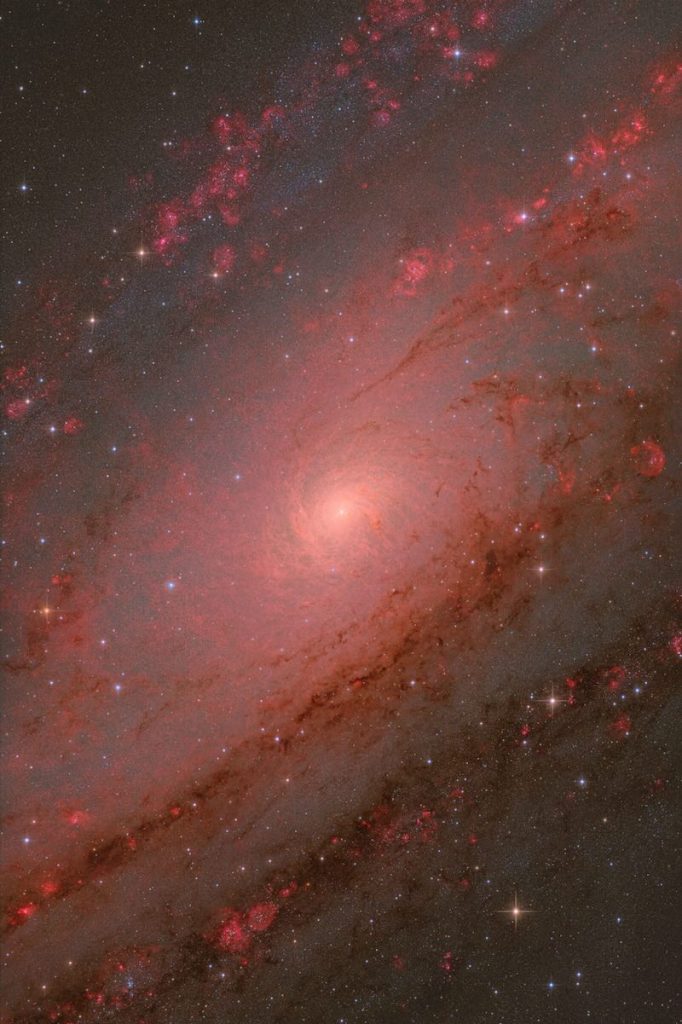
This year’s overall winner is a stunning photograph of the core of the Andromeda Galaxy, revealing the intricate structure of its central region and surrounding stars. The image was taken by Weitang Liang, Qi Yang, and Chuhong Yu at the AstroCamp Observatory in Nerpio, Spain. See this extraordinary shot—along with the other winning images—below.
Galaxies
Overall winner. The Andromeda Core © Weitang Liang, Qi Yang, Chuhong Yu (China)
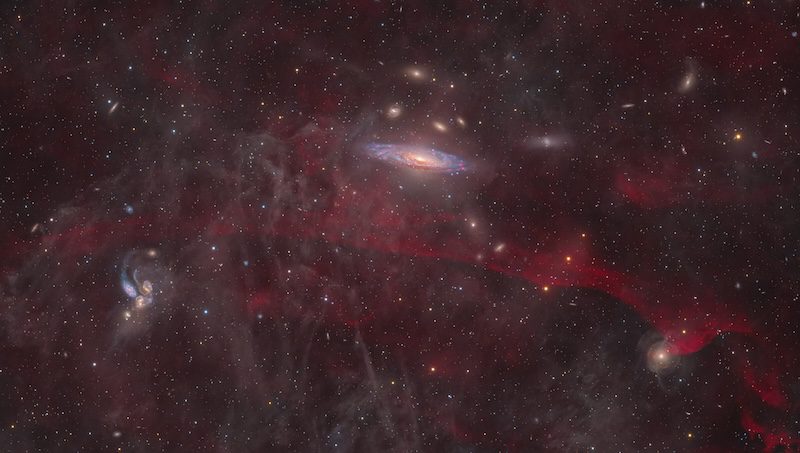
Runner up. Cosmic Coincidences: Deer Lick and Stephan’s Quintet on a Ribbon of H-alpha © Deep Sky Collective Highly commended. Fireworks © Bence Tóth, Péter Feltóti, Bertalan Kecskés (Hungary)
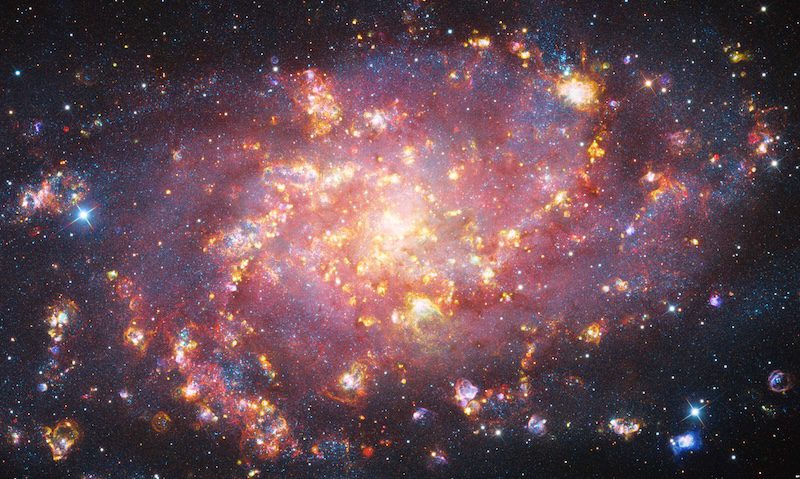
The image shows M33, the Triangulum Galaxy from a new perspective. Due to tidal interaction with M31, there is very prominent star-forming activity in M33, which results in a spectacular structure of emission nebulae. During processing, a separate SHO picture was created with a strong SII/H-alpha presence, the glowing red structures in the picture, and blended with a high-resolution LRGB processing of the continuum data, representing the ‘background’ light. Aurorae
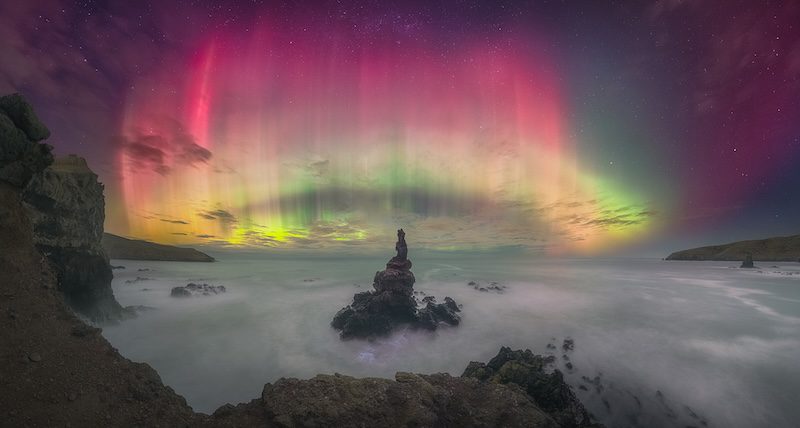
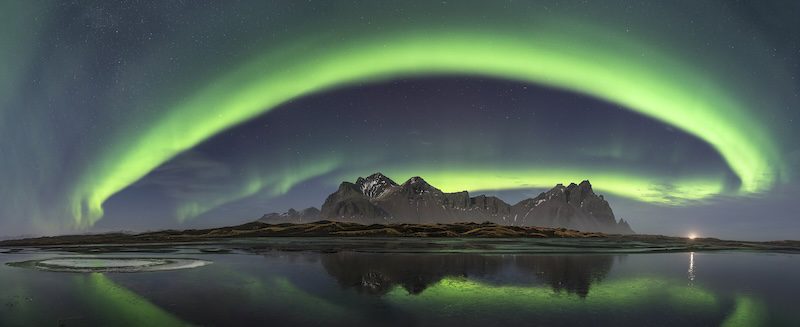
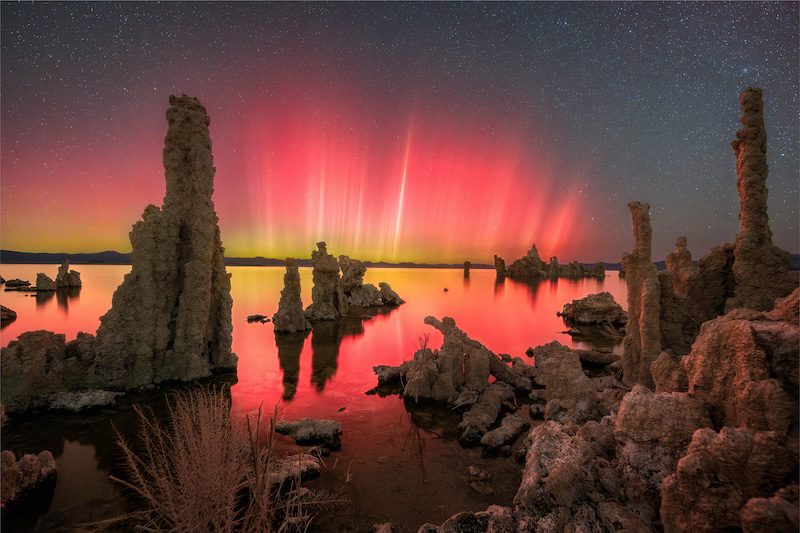
Winner. Crown of Light © Kavan Chay (New Zealand). The image was taken during the G5 storm, the most extreme level of geomagnetic storm, in May. The reds were a level of intensity the photographer had never experienced. Runner up. Celestial Arch © Luis Vilariño (Spain). This image shows an intense aurora, forming an immense arc that spanned more than 180º. A gigantic and perfect green neon sign illuminated the entire sky. Highly commended. Aurora Over Mono Lake: A Rare Dance of Light © Dan Zafra (Spain). This photograph captures the rare occurrence of Northern Lights in California. Vibrant ribbons of magenta and green light up the sky, reflecting in the still waters among the rock formations. Our Moon
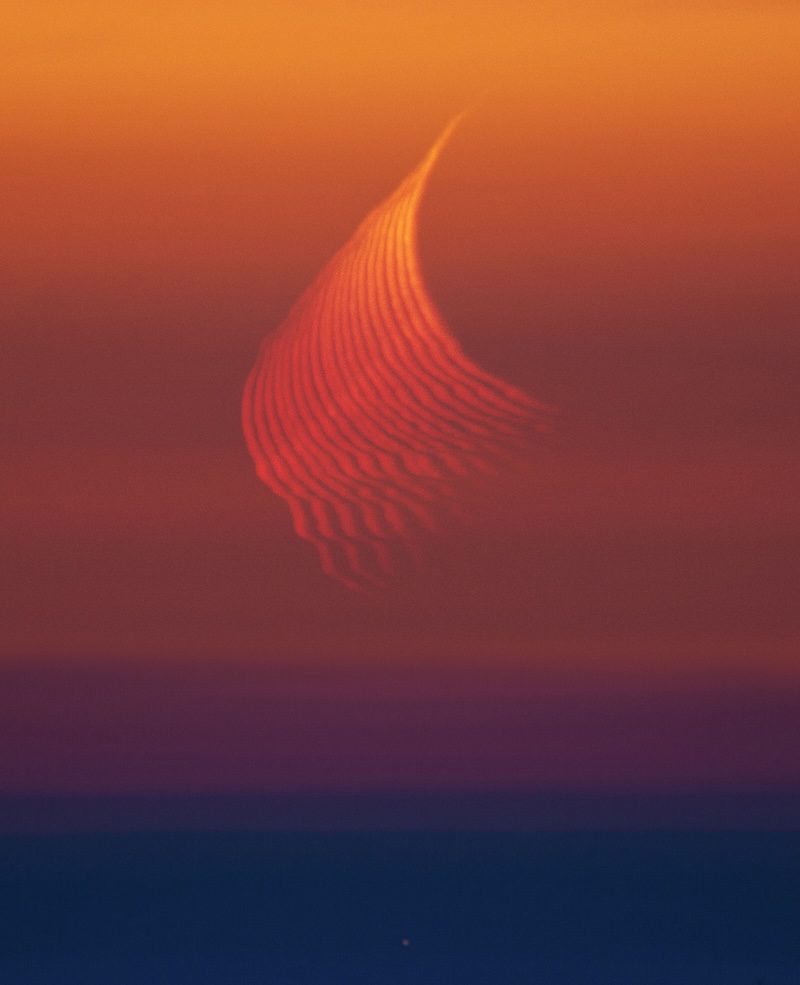
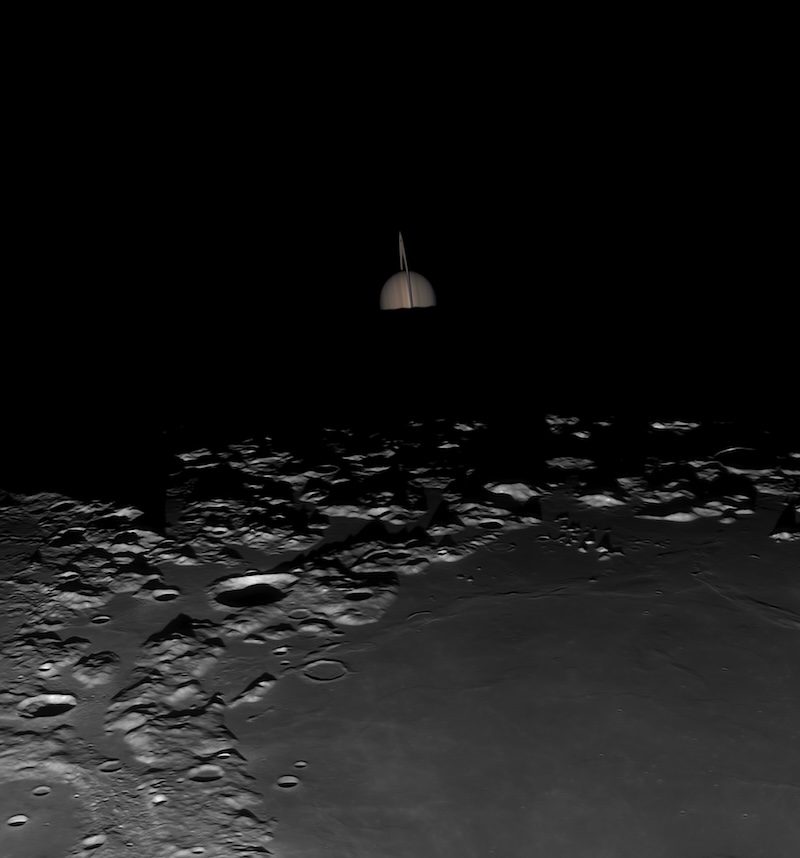
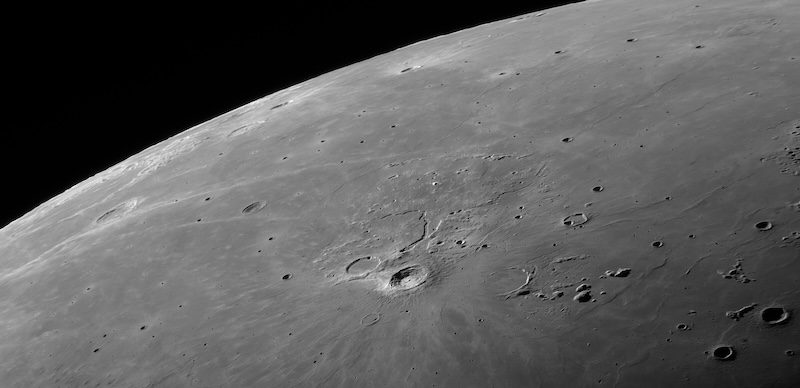
Winner. The Trace of Refraction © Marcella Giulia Pace (Italy). This image captures the phenomenon of atmospheric refraction, where moonlight passes through dense layers of Earth’s atmosphere near the horizon, bending in a manner similar to light rays through a prism. Additionally, the redness of the Moon can be explained by a process known as Rayleigh scattering [smaller particles in the atmosphere scatter shorter wavelengths of light, resulting in longer wavelengths, namely red, being more predominant]. Runner up. Saturnrise © Tom Williams (UK). This image shows the tail-end of August’s lunar occultation of Saturn. Although rare for any one location on Earth, 2024 saw a total of ten occultations occur across the globe! The event pictured here occurred near Saturn’s opposition and so coincided with the near-Full Moon. Highly commended. Aristarchus on the Moon © Raul Cantemir (Germany). This Moon close-up shows, among other things, the main crater Aristarchus with its nine secondary craters. It has a diameter of 40 km (25 miles) and is located in a region visible on the front side of the lunar surface. Our Sun
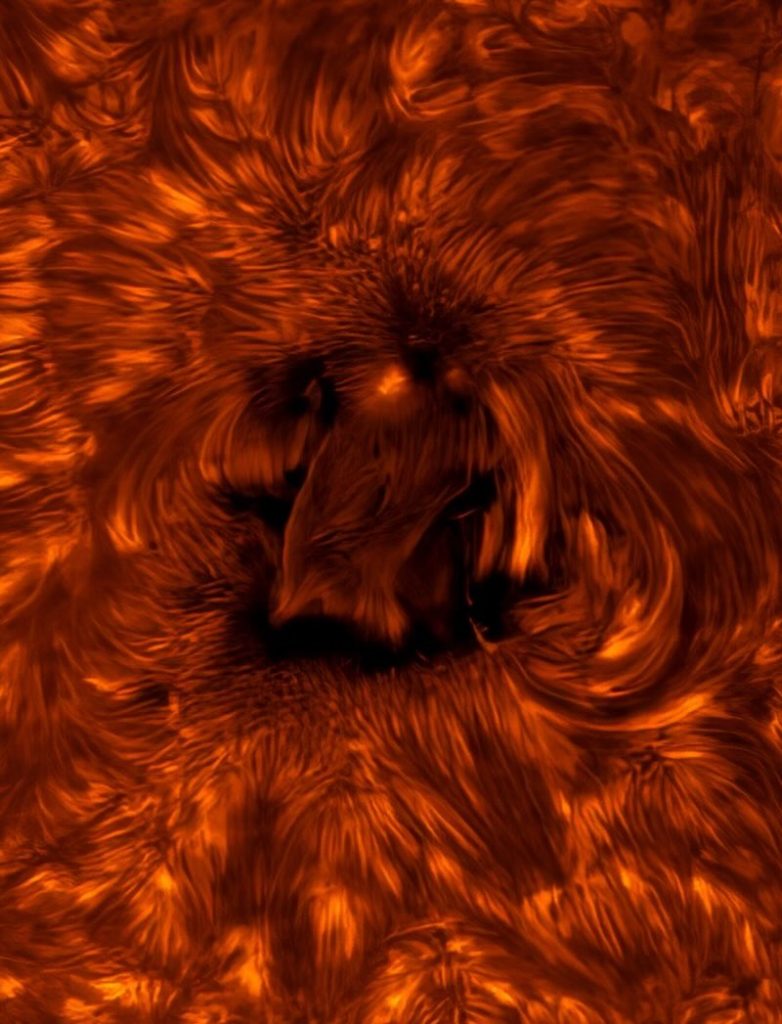
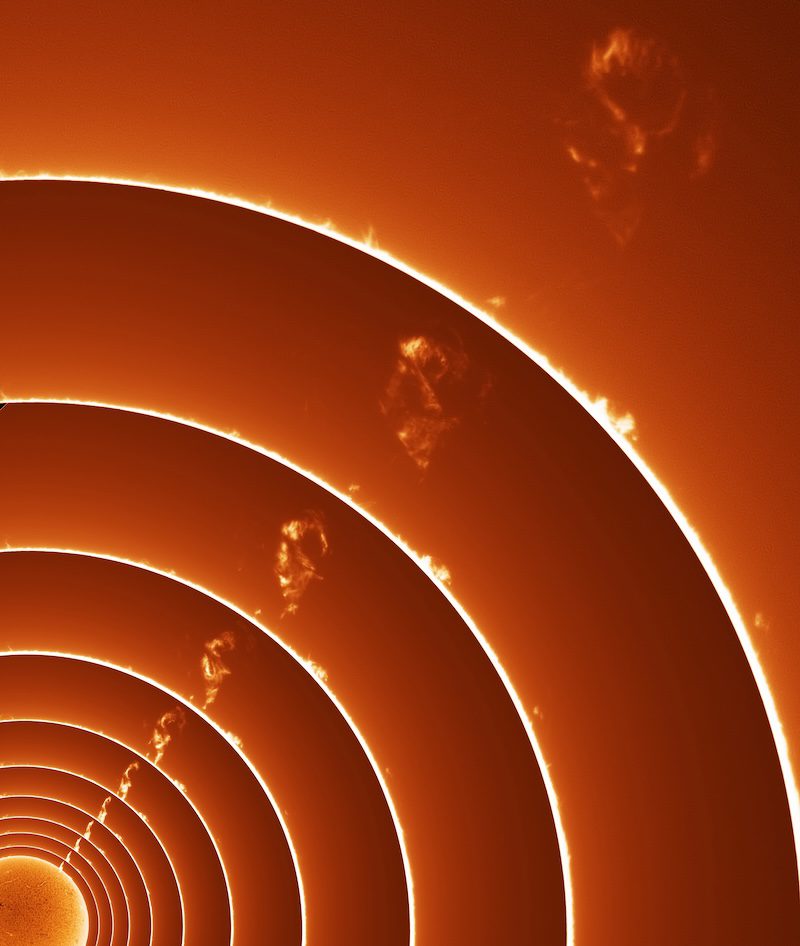
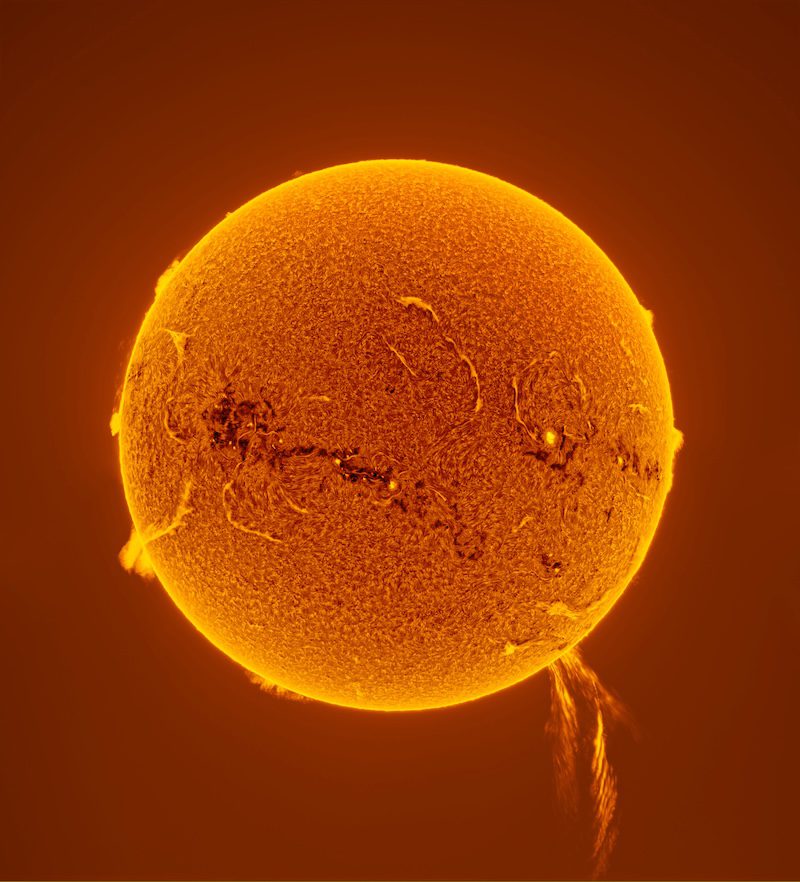
Winner. Active Region of the Sun’s Chromosphere © James Sinclair (USA). The chromosphere is the most picturesque part of the Sun. Composed of hydrogen and helium plasma, it is manipulated by the intense and tangled magnetic fields of the Sun. The Sun’s chromosphere does not just change day by day, it changes second by second, which is why solar astrophotographers become obsessed with it. Runner-up. A Sun Yawn © Zhang Yanguang (China). This image sequence documents the eruption of a massive solar prominence, originating as a small protrusion from the Sun’s surface that subsequently expanded into an enormous plasma structure in space before eventually dissipating into the void. Using 11 sequentially captured images taken approximately 12 minutes apart, the photographer documented this entire celestial event – as if the Sun had let out a cosmic yawn, stretching and releasing its luminous plasma energies back into the stellar expanse. Highly commended. 500,000 km Solar Prominence Eruption © PengFei Chou (China). On 7 November 2024, the Sun experienced a massive solar prominence eruption, with a length exceeding 500,000 km (311,000 miles). The eruption lasted approximately one hour from its initial outburst to its conclusion. The eruption phase of the prominence is composed of more than 20 stacked data sets highlighting the entire process of this spectacular event. People & Space
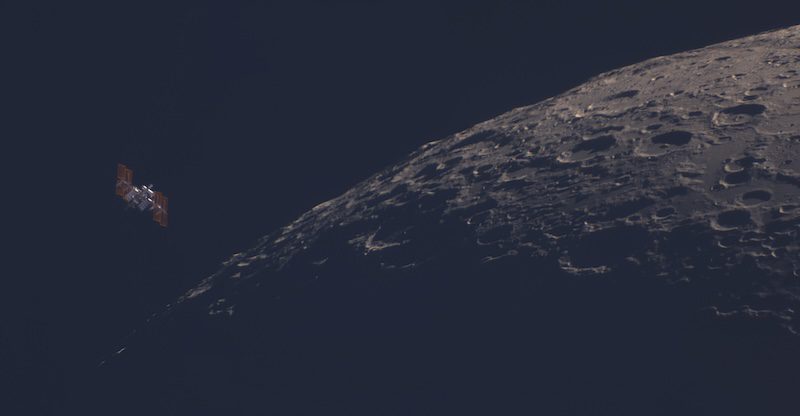
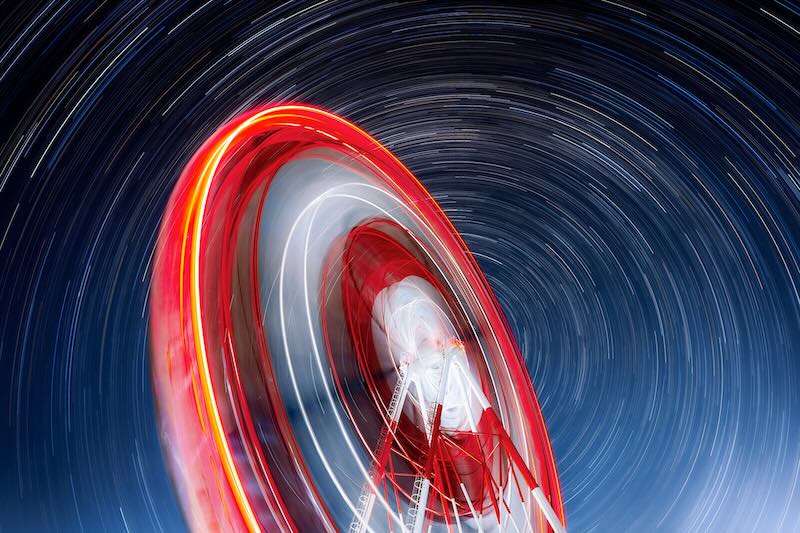
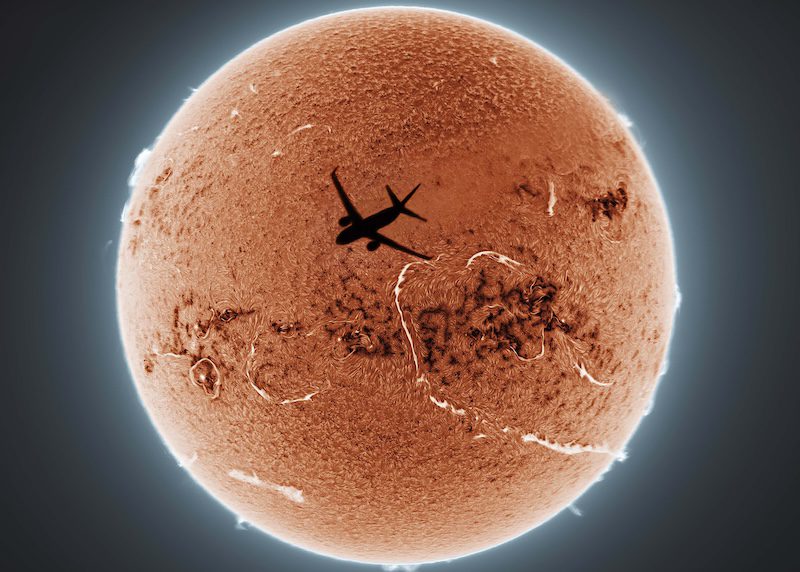
Winner. ISS Lunar Flyby © Tom Williams (UK). This image shows the International Space Station making a close pass of our Moon. The event was predicted to be a transit but ended up being a close flyby. However, the result is still dramatic, with the station’s solar arrays backlit by the rising Sun. Notably, the white radiators can also be seen and are illuminated by earthshine rather than direct sunlight. Runner-up. Rotation © Takanobu Kurosaki (Japan). In the northern hemisphere, stars appear to rotate around Polaris, which lies near the north celestial pole. This motion, about 15 degrees per hour from east to west, is caused by Earth’s rotation. The giant Ferris wheel at Mirageland in Uozu only operates at night a few times a year, it stands at 66 m (216 ft) high and with a diameter of 62.5 m (205 ft). It takes about 15 minutes for the wheel to make a complete circle. Highly commended. Instant and Eternal © Zhang Yanguang (China). During a routine time-lapse observation of the solar chromosphere [thin, reddish layer of the Sun’s atmosphere above the visible surface], Zhang Yanguang captured a serendipitous moment frozen in time. Planets, Comets & Asteroids
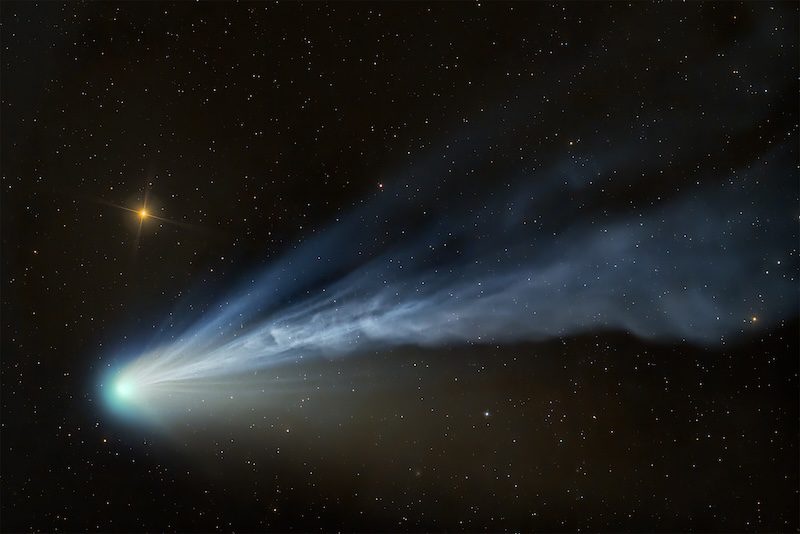
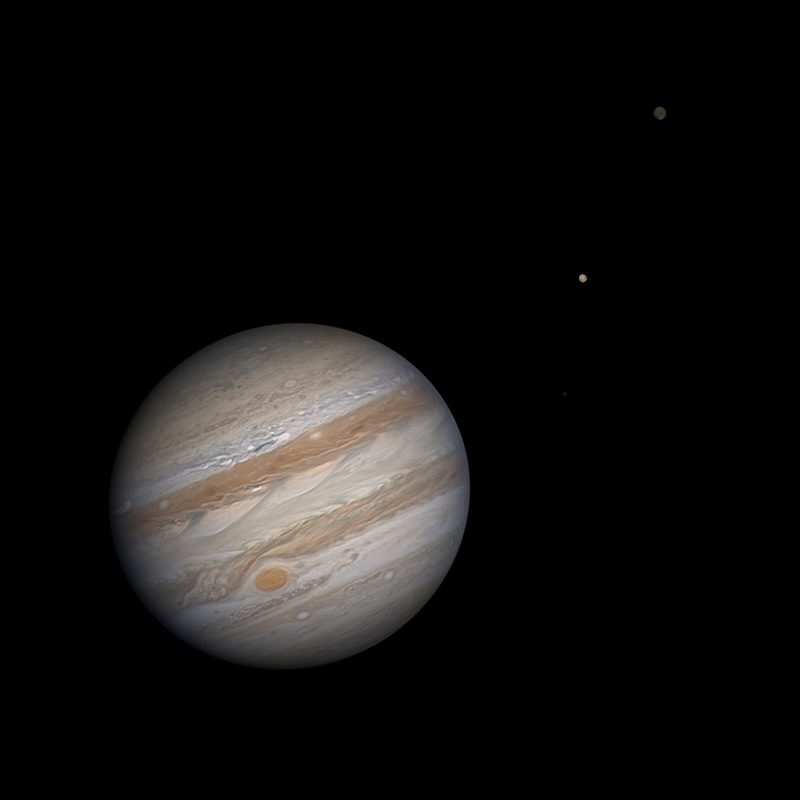
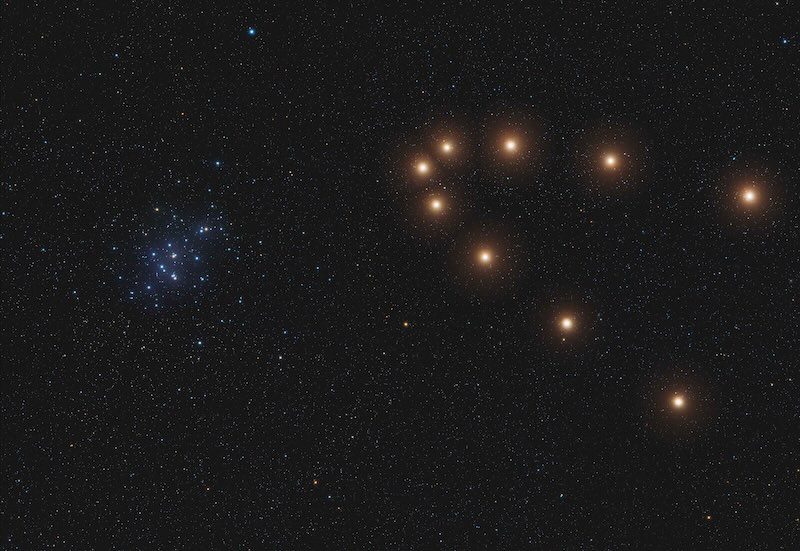
Winner. Comet 12P/Pons−Brooks Taking a Final Bow © Dan Bartlett (USA). Comet 12P/Pons−Brooks reacted visibly to the intensified solar winds associated with the current solar maximum, creating a spectacle of tail dynamics and colourful hues expelled by its nuclear coma, the bright cloud of gas around the comet’s centre. Runner-up. Satellites and Storms © Tom Williams (UK). This image shows Jupiter and two of the four largest moons discovered by Galileo, Europa and Callisto. Notably, the planet’s recent storm outbreak is prominent as a white streak near the centre of the disc and is neatly mirrored by the Great Red Spot in the southern hemisphere. With long exposures, it was possible to detect the minor moon of Amalthea, which sits between Europa and Jupiter’s western limb here. Highly commended. The War God Meets the Beehive © Andre Vilhena (Portugal). This image shows Mars, when it became retrograde [the apparent backward motion of a planet] in late May 2024, near M44, the Beehive Cluster. This image superimposes photos of the Red Planet taken every five days, starting on 16 November (bottom right) and ending on 26 December (top right), allowing us to glimpse its movement towards the east, until it reverses on 6 December and starts moving west. The planet is not really moving backwards, but the different orbit velocities of Earth and Mars, in this instance, create this optical illusion, known since ancient times, and is likely one of the reasons that some stars became known as ‘wanderers’ or, in ancient Greek, planetes. Apparent retrograde motion happens at different places along the ecliptic [the Sun’s apparent path through sky] but, serendipitously, this time occurred near one of the most beautiful star clusters in the northern hemisphere, the Beehive Cluster. Skyscapes
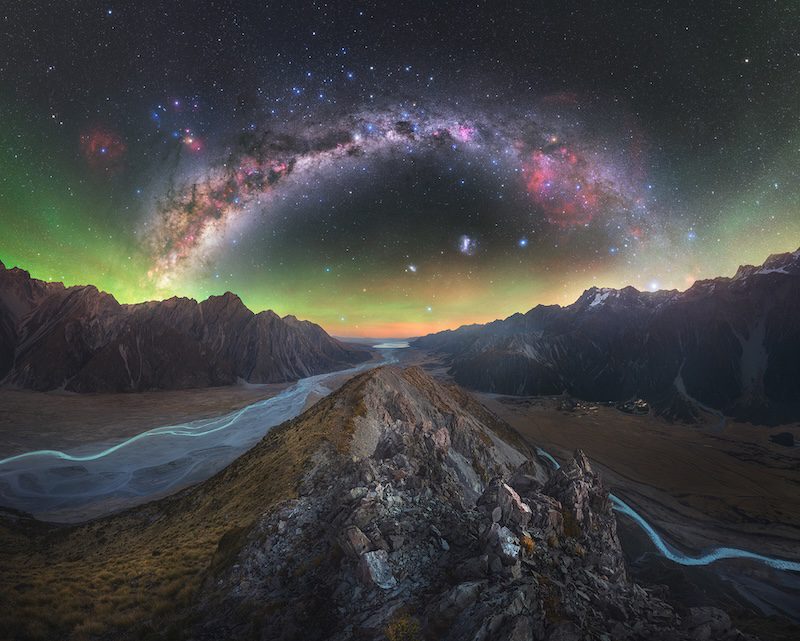
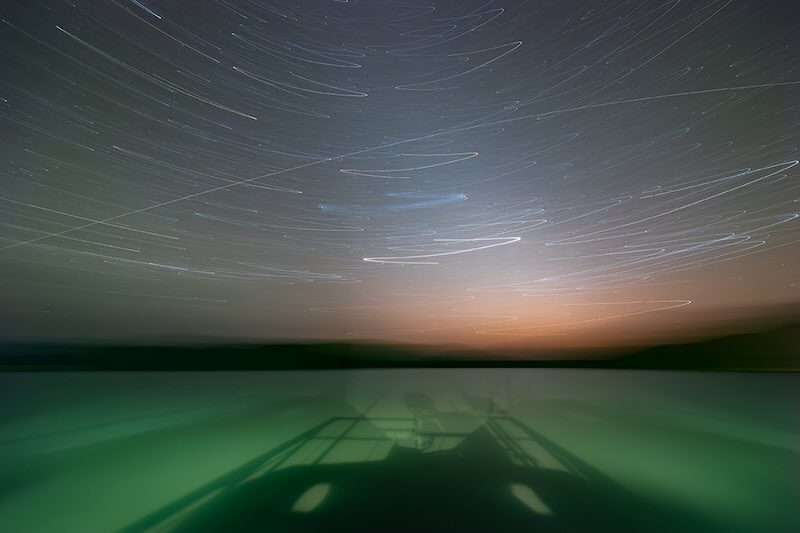
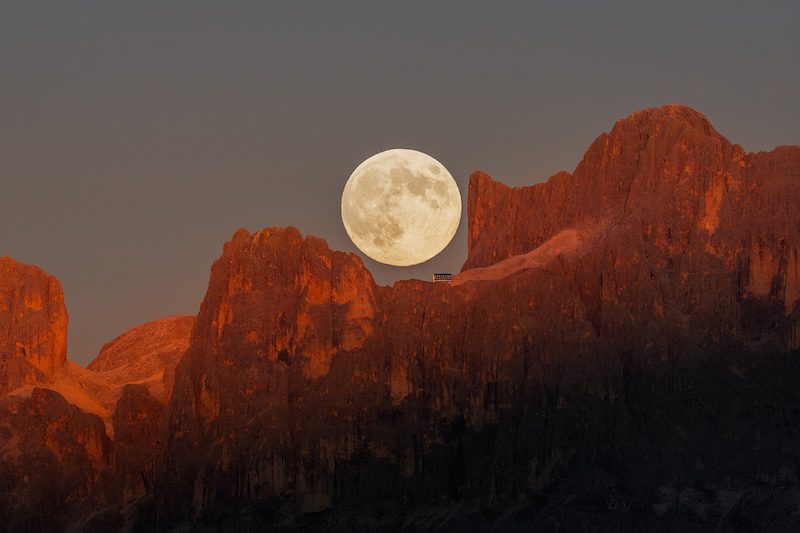
Winner. The Ridge © Tom Rae (New Zealand). This is the largest panorama Tom Rae has ever captured, with the full resolution image containing over a billion pixels from 62 images stitched together. The photograph captures the twin glacial rivers with the Milky Way core off to the left of the image, as well as the famous Southern Cross and other pointers high in the centre sky. Runner-up. Trails at Rest © Alex van Harmelen (Australia). Even at anchor the ship continued to move with the ocean currents, causing a back-and-forth arc of travel. This photo captures that motion in the star trails, traced into the night sky over a 20-minute period. It is interesting to note that the trails on the right have a larger vertical amplitude [the star trails on the right appear taller, showing greater vertical movement, due to distortion] which reduces to near zero amplitude on the left. This is due to Earth’s rotation around the south celestial pole, positioned towards the left of the photo. Some zodiacal light [faint, triangular glow visible in the night sky, particularly around twilight, that extends from the direction of the Sun] also makes an appearance in this pre-dawn long exposure. Highly commended. Moonrise Perfection Over the Dolomites © Fabian Dalpiaz (Italy). The full Moon rising above the rugged peaks of the Dolomites. With no clouds in sight and in flawless conditions, the golden light of sunset bathes the mountains, creating harmony between Earth and sky. Stars & Nebulae
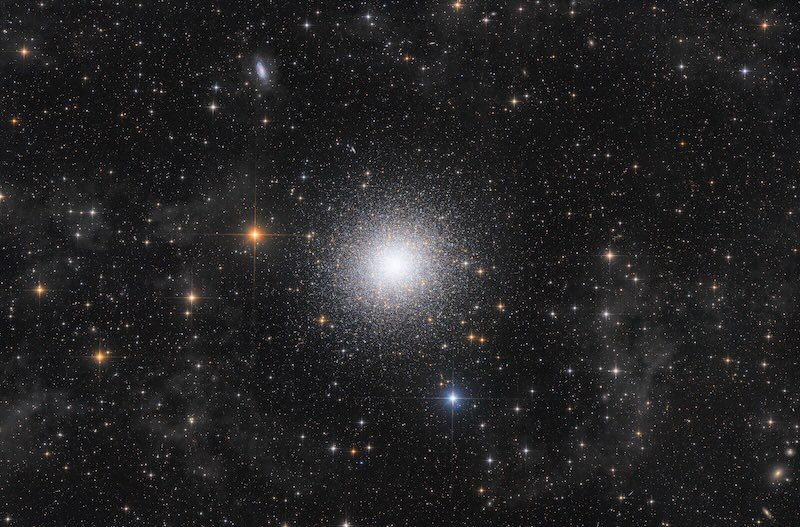
M13: An Ultra-Deep Exposure of the Popular Cluster © Distant Luminosity. Julian Zoller, Jan Beckmann, Lukas Eisert, Wolfgang Hummel (all Germany). M13, or the Great Hercules Cluster, is one of the most prominent and well-studied globular clusters in the northern sky. Discovered by Edmond Halley in 1714, it is located in the constellation Hercules and lies about 22,200 light years from Earth. With an apparent magnitude [a measure of brightness] of 5.8, M13 is visible to the naked eye under dark skies and can be easily observed through binoculars or a small telescope. The photographers’ goal was to get the deepest possible image of the cluster, in which, to our surprise, even integrated flux nebulae (IFN) clouds appeared.
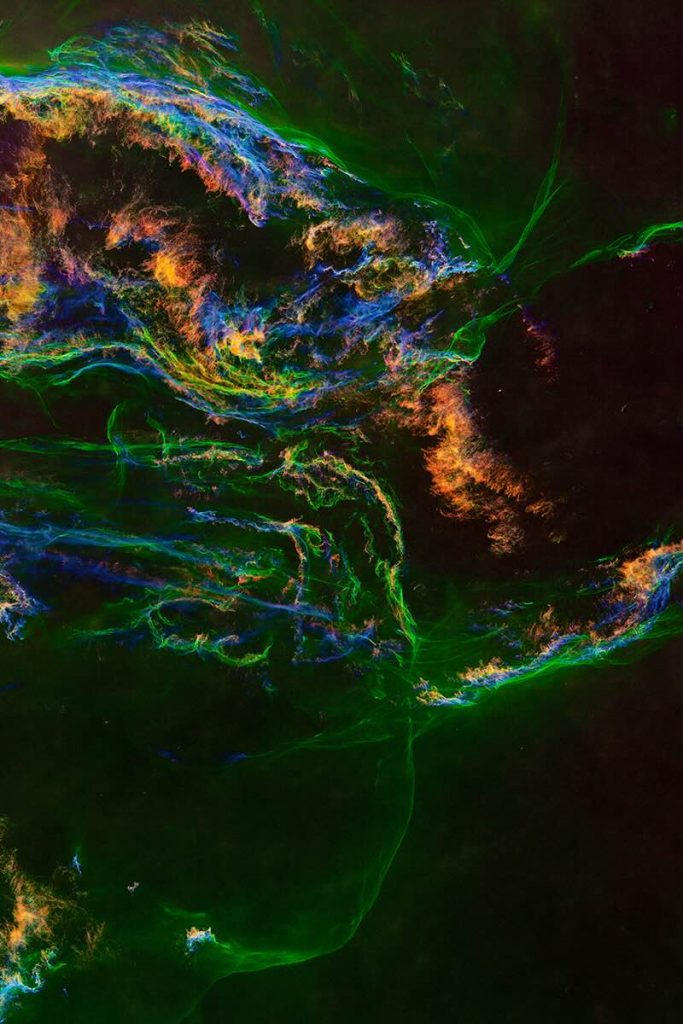
Runner-up. Veil of Stars © Zixiong Jin (China). This image showcases the iconic NGC 6960, also known as the Veil Nebula. To capture its intricate details and vivid colours, Zixiong Jin used a telescope, a cooled monochrome camera, an equatorial mount and a motorised filter wheel equipped with H-Alpha, OIII, SII, Red, Green, and Blue filters. For this particular target, the photographer cropped from a larger mosaic to better illustrate the concept and shape of the ‘veil’ by using a unique composition.
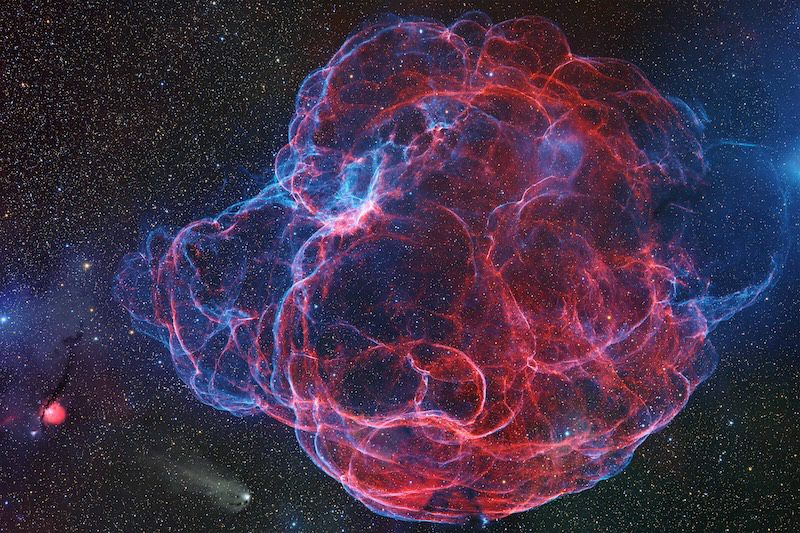
Highly commended. Electric Threads of the Lightning Spaghetti Nebula © Shaoyu Zhang (China). This full-spectrum image of the Spaghetti Nebula unveils the faint and elusive nature of this supernova remnant (SNR), hidden behind a vast cloud of dust that obstructs its emission light. To enhance its visual appeal, Shaoyu Zhang dedicated considerable time to capturing OIII data, intensifying the blue and green hues, while allowing SII and H-alpha to support high dynamic range stretching for added depth. The Sir Patrick Moore Prize for Best Newcomer
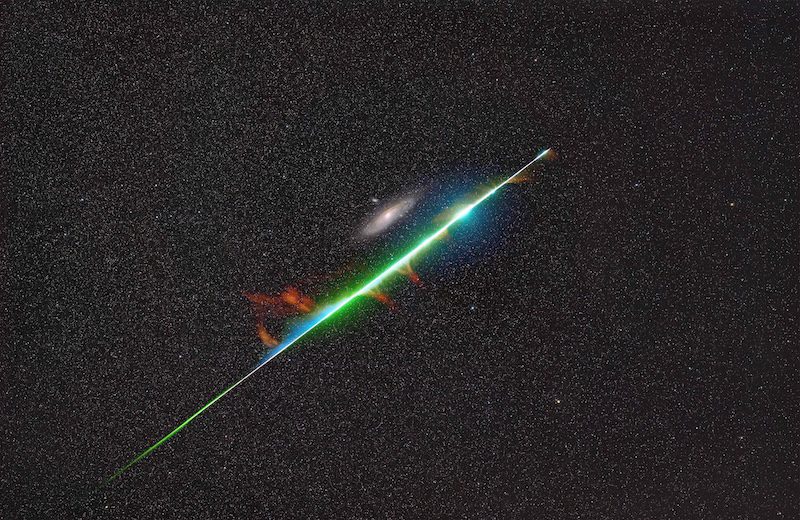
Winner. Encounter Across Light Years © Yurui Gong, Xizhen Ruan (all China). This photograph captures a serendipitous moment when a brilliant fireball from the Perseid meteor shower appears to graze M31, the Andromeda Galaxy. Originally the photographers had only planned to capture a close-up of the M31 galaxy. Retrieving the camera the next morning, they discovered this wonderful surprise. Special Feature – non-entrant image
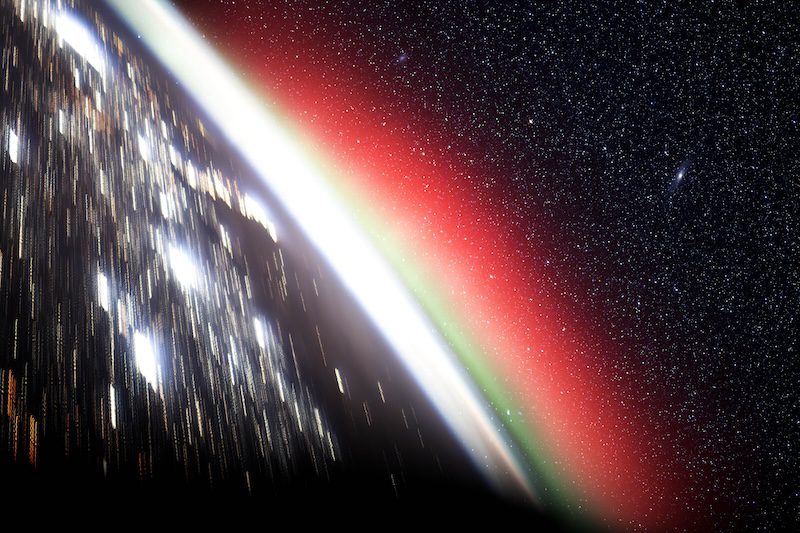
Earth From Orbit © Don Pettit (USA). Captured between October 2024 and March 2025, during ISS Expedition 72. This is one of a number of star field time exposures captured from the International Space Station (ISS) using a homemade sidereal star tracker. Rotating once every 90 minutes, the tracker counteracts the attitude motion of the orbiting ISS, allowing distant stars to be photographed as fixed pinpoints while the Earth continues to rotate below, previously an impossibility in orbital photography. Annie Maunder Open Category
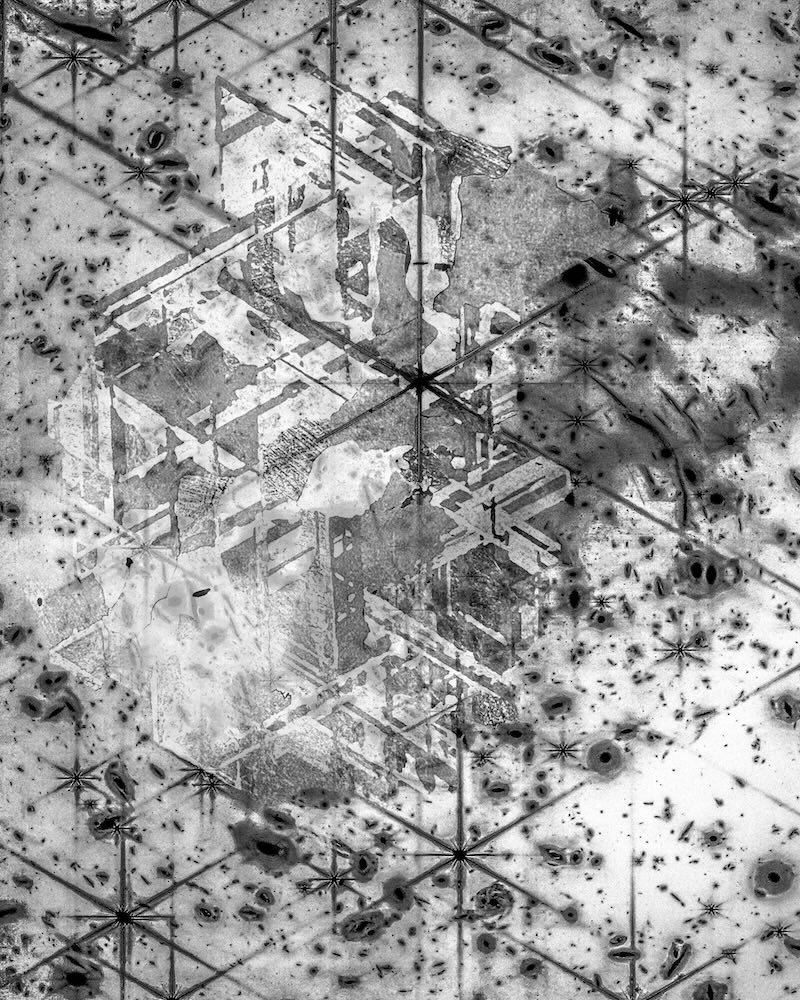
Fourth Dimension © Leonardo Di Maggio (UK). The image uses data of gravitational lensing [magnifies distant galaxies by bending light through massive foreground objects] from the James Webb Space Telescope (JWST) and combines it with a photograph that Leonardo Di Maggio took of the inside of a meteorite. ZWO Young Astronomy Photographer of the Year
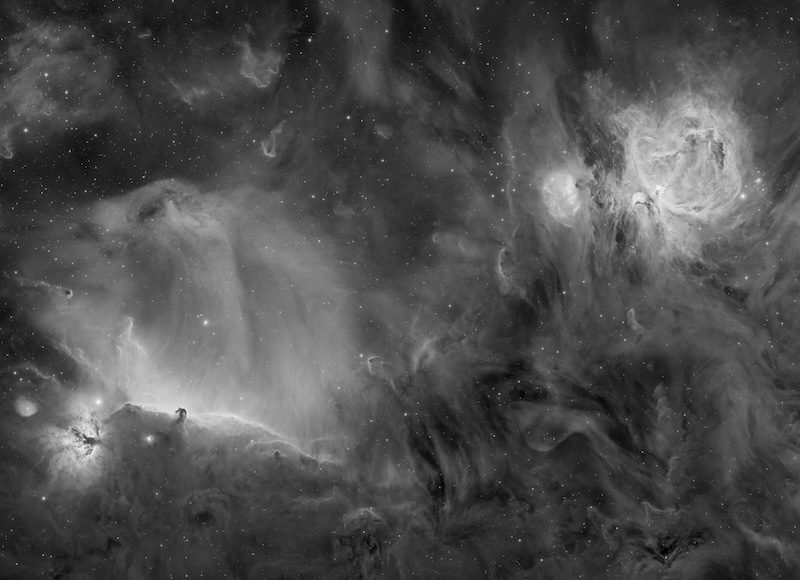
Winner. Orion, the Horsehead and the Flame in H-alpha © Daniele Borsari (Italy). This image was captured with an H-alpha filter to make a monochrome image highlighting the emission nebulae. On the lower left lies the Horsehead Nebula, also known as Barnard 33. This dense dark cloud of gases hides the light coming from the emission nebula IC 434 and creates the apparent shape of a horse’s head. A little to the left we find the Flame Nebula, NGC 2024. The star responsible for the illumination of this nebula, IRS2, is located behind dust and gases and is therefore not visible in the optical spectrum. Over 100 photographs from this year’s competition are on show at the National Maritime Museum, displayed at their best on brilliant lightbox screens. To find out more about the exhibition visit their website.